Loose-Leash Walking Without Yanking
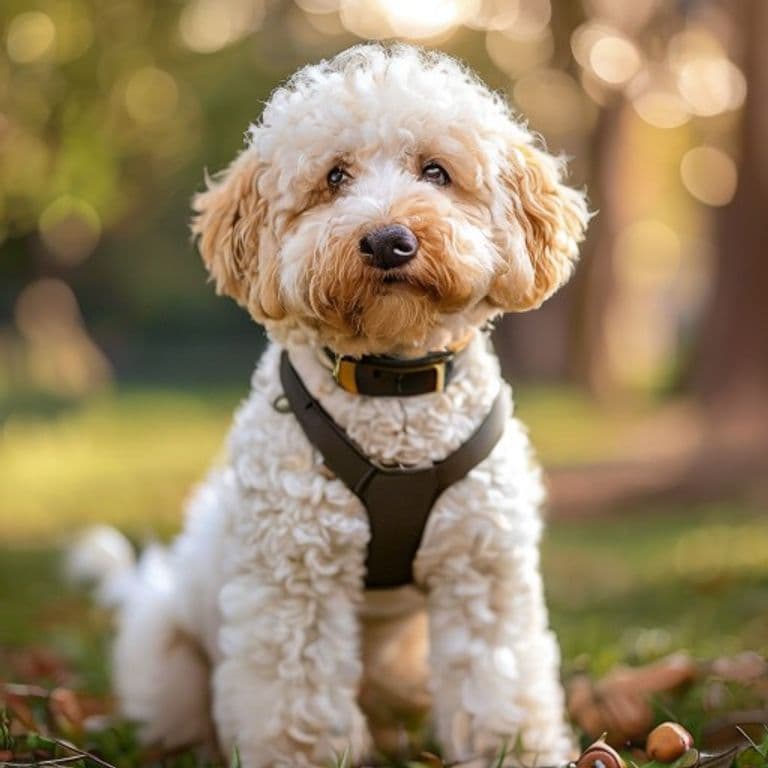
Loose-leash walking is the single most-asked-about skill in every class I've taught. It's also the most misunderstood. Most people think the goal is "dog doesn't pull". That's the result. The actual skill is attention — your dog checking in with you without being told.
Why the yank-and-correction method fails
When you yank a pulling dog backward, two things happen:
- The dog gets a tiny rush of adrenaline — which makes them more aroused, which makes them pull harder next time
- You teach the dog that the leash is punishing — not that pulling is unrewarding
The quieter fix: make attention worth more than pulling.
The engaged walk, step by step
Step 1 — Attention before leaving the door
Before the leash goes on, your dog needs to be able to sit calmly while you put your shoes on. If they're bouncing at the door already, the walk has already started on the wrong foot. Literally.
Step 2 — Name game, indoor
Say your dog's name. Reward eye contact with a treat. 20 reps a day for a week. Your dog learns: "my name means good things happen when I look at my human".
Step 3 — Magnet hand
Hold a treat in your hand by your leg. Walk forward. Dog follows the treat hand, which is by your leg, which means the dog is walking in the correct position. Release the treat every few steps.
Step 4 — Stop-and-go
Walking. Leash goes tight → you stop immediately. Wait. The second the leash goes slack, you move forward again. Dog learns: tight leash = no progress. Slack leash = we go.
Step 5 — Change direction on cue
Walking in a quiet place. You say "this way" and change direction 180 degrees. At first the dog is surprised; after a week it's automatic. This teaches the dog to pay attention to where you're going, not the other way around.
The 3-minute rule
Short reps win. Three 3-minute sessions across one walk beats one 30-minute training marathon. Most dogs plateau after 5 minutes of intense concentration. Short reps, end on a win, move on.
For the stop-and-go drill we rely on a long line — 5m is the sweet spot. Max's current one is the AliExpress longline, which is what the article describes:
Max's week 3 breakthrough
It took Max three weeks of daily practice to stop pulling, and even then it wasn't a clean "trained" transition. What happened was: one Tuesday, I noticed he was walking on a slack leash without me cueing it. I hadn't said anything. He just was. That's when I knew the habit had flipped. Three weeks of boring practice. One silent Tuesday.
If you're on week 2 and nothing feels different yet, that's normal. The Tuesday arrives. It just arrives quietly.
When you're ready to go deeper than this article, our calm-first starter pack has the full 7-day practice plan mapped to daily 10-minute reps: